
No MOD
Mod Menu
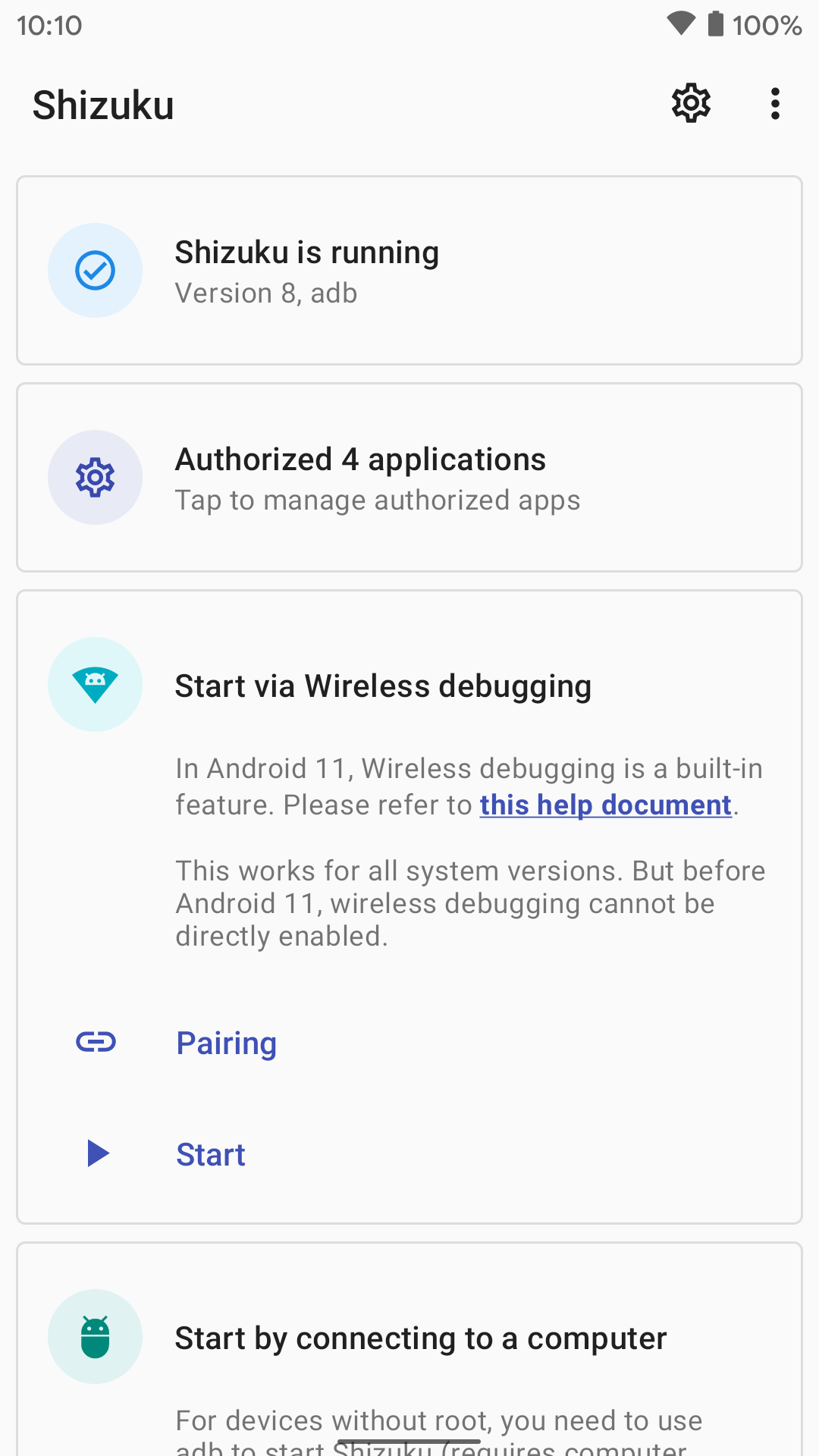
When using a tool that provides system-level access to third-party applications without requiring root access, many may wonder about potential security flaws. Thankfully, Shizuku has been intentionally designed to minimize such risks.
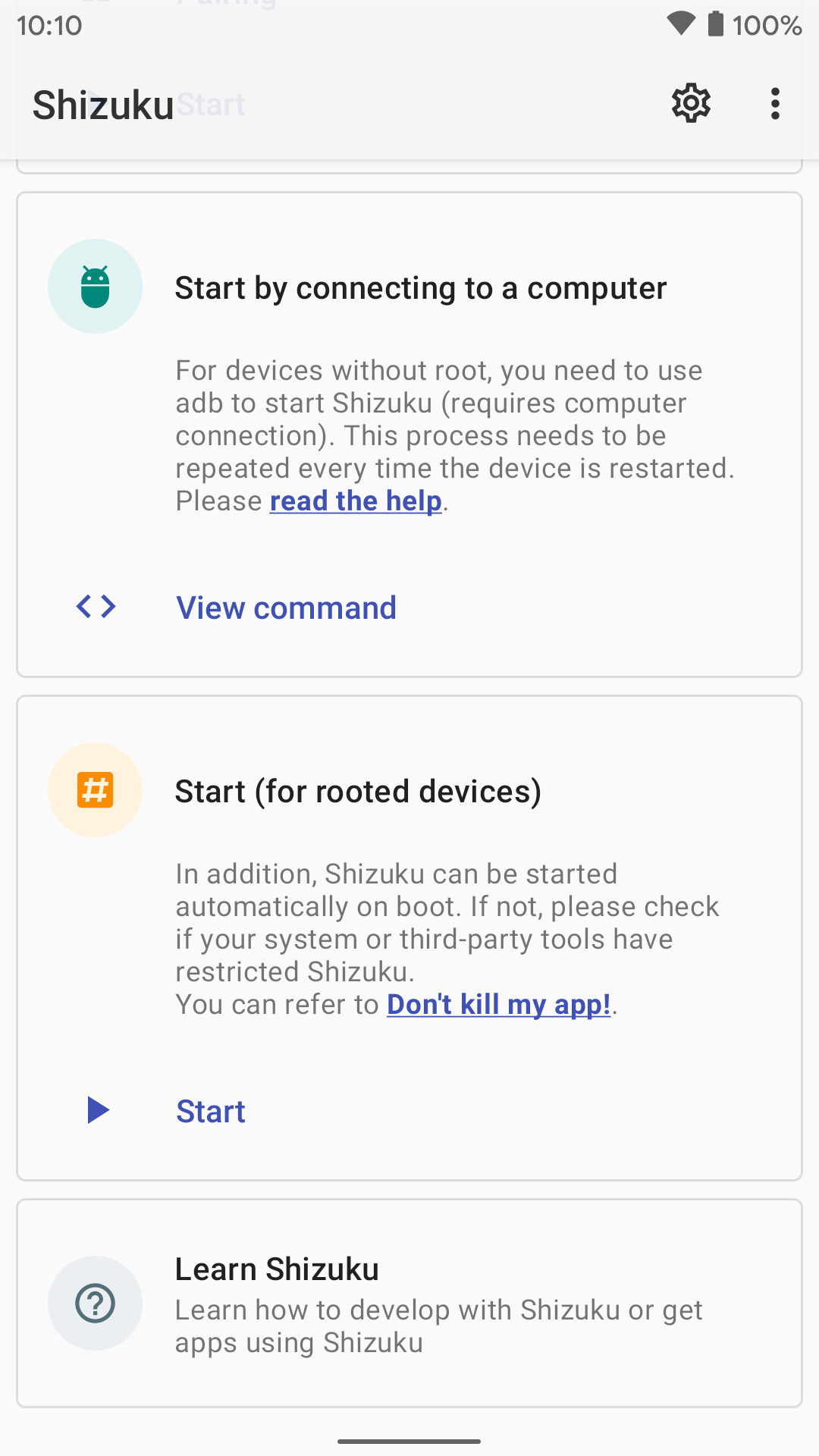
The permission system based on ADB (Android Debug Bridge) is inherently user-controlled. It involves several steps:
Connecting the device via USB cable or Wi-Fi ADB
Enabling Developer Options
Confirming the connection
Starting the service
Manually approving each application
Although these steps may seem tedious, they serve as a barrier against unauthorized apps from automatically requesting access without your knowledge. Additionally, Shizuku's service does not auto-restart after a reboot unless in root mode. This feature ensures that if you do not actively enable it, the system returns to its default state after each restart, much like a soft reset of system privileges.
At its core, Shizuku operates by establishing a service that communicates through Android Binder IPC (Inter-Process Communication) — a standardized protocol allowing Android processes to interact. When a third-party app wishes to utilize high-level APIs typically restricted by the operating system, Shizuku acts as an intermediary to convey the request.
To initiate this service, users simply start it via ADB, which can also be conducted over Wi-Fi if the device supports it. Following that, any app integrated with Shizuku can send requests for system API usage through this active service.
For instance, consider Swift Backup, a powerful backup tool. When granted access via Shizuku, it can back up and restore app data (including user data) without needing root access – a process that was nearly impossible previously without significant modifications to the device.
In the Android ecosystem, true power lies in how much control you have over your device rather than the device itself. Many users spend their time merely granting permissions and believe that certain tasks exclusively requiring root access involve complex technicalities. However, Shizuku simplifies this landscape; it requires no root access and does not necessitate an unlocked bootloader, yet it empowers numerous applications to perform tasks that once seemed unattainable.









OXP VPN - Secure VPN Proxy MOD APK
Parallel Space Pro - app clone MOD APK
WiFi Signal Strength Meter MOD APK
Speaker Cleaner - Remove Water MOD APK
Xpress Downloader - Video Hub MOD APK
Flex Utility Premium MOD APK
Browsec: Fast Secure VPN Proxy MOD APK
InstAddr MOD APK
TorrCrow Pro - Torrent Search MOD APK
All world Language Translator MOD APK

Write by Voice: Speech to Text MOD APK
Tomato VPN - Hotspot VPN Proxy MOD APK

NetMonitor Pro MOD APK

Clock Screensaver MOD APK

VPN Korea - fast Korean VPN MOD APK

Battery Voice Alert! MOD APK

VPN - Fast Secure Proxy MOD APK

Draw Easy: Trace to Sketch MOD APK

Popup Widget MOD APK

TrackView Viewer MOD APK